
What Another Season of "I'll Get To It" Actually Costs You
Put off garage door security through one more hurricane season and you're not just risking a break-in — you're compounding two problems at once. Humidity and salt air are already working on your hardware, loosening screws, rusting tracks, and softening the wood or metal around your locks. A door that's mechanically weaker is also easier to defeat. Homeowners who wait until spring to deal with "minor" issues often find that the minor issue is also the exact flaw a burglar used to get in. Garages are frequently the most under-secured entry point in a house — attached to the living space, rarely alarmed separately, and loaded with tools, bikes, and sometimes a side door that's easy to forget about.
How Burglars Actually Get Through a Garage Door
Forget the movie version where someone muscles the door open. Most residential garage break-ins rely on a few specific, low-effort techniques:
- The fishing-wire trick: A thin wire or coat hanger is slid through the small gap at the top of the door, hooked around the emergency release cord, and pulled — disengaging the opener and allowing the door to be lifted by hand. This takes under a minute and leaves no forced-entry marks.
- Code grabbing on older openers: Garage door openers made before rolling-code technology became standard use a fixed signal that can be captured and replayed. If your opener is more than 15-20 years old, this is a real exposure.
- Prying weak panels: Thin or storm-damaged panels flex under pressure. A pry bar at a seam or near a damaged section can pop a panel enough to reach the release mechanism or crawl through.
- The forgotten side door: Many garages have a pedestrian door to the yard or side of the house. It's often the weakest lock in the whole property, and once someone's inside the garage, they're one interior door away from your house.
- Visible remotes and codes: A clip-on remote left on a sun visor, or a keypad code that hasn't been changed since move-in, is a standing invitation — especially in neighborhoods where contractors, landscapers, or past tenants may have had access.
Where Longwood's Weather Makes This Worse
None of these tactics are unique to Florida, but local conditions make some of them easier to pull off:
- Humidity and swelling: Wood-paneled doors swell and shift in heavy moisture, widening the gap at the top of the door — exactly where the fishing-wire method needs room to work.
- Rust on tracks and hardware: Salt air and constant humidity corrode rollers, hinges, and lock mechanisms. Corroded parts bind, stick, or fail to seat properly, which weakens the door's resistance to prying.
- Storm-loosened panels: After wind-driven rain and pressure cycling during hurricane season, panels and seams that looked fine in June can have slack by November. That slack is leverage for anyone trying to force an opening.
- Power outages: Afternoon storms here knock out power often enough that most of us don't think twice about it. But a dead opener means your door is only as secure as its manual release — which is exactly the part the fishing-wire trick targets.
The Fixes That Actually Work
None of these require replacing your whole door. Most are cheap, fast, and permanent:
- Zip-tie or shield the emergency release: A simple zip tie threaded through the release lever (not around the cord itself) blocks it from being pulled by a hook from outside, while still letting you snap it free from inside during a power outage. Purpose-made plastic shields do the same job and are nearly invisible.
- Upgrade to a rolling-code opener: If your opener predates rolling-code security, replacing it closes off code-grabbing entirely and usually comes with better battery backup for storm outages.
- Add a slide lock or deadbolt-style garage door lock: A manual slide lock on the inside track adds a second barrier that doesn't depend on electronics at all — useful when the power's out.
- Change default and shared codes: Reset your keypad code after any contractor work, tenant turnover, or if you're not sure who has it.
- Treat the side door like a front door: Deadbolt, solid strike plate, no glass panel a hand can reach through.
- Keep panels and tracks maintained: Tight seams and properly aligned tracks aren't just about smooth operation — they remove the slack and gaps that make forced entry easier.
- Light and visibility: Motion-activated lighting near the garage removes the cover of darkness that most of these methods rely on.
When to Call Longwood Garage Door Repair
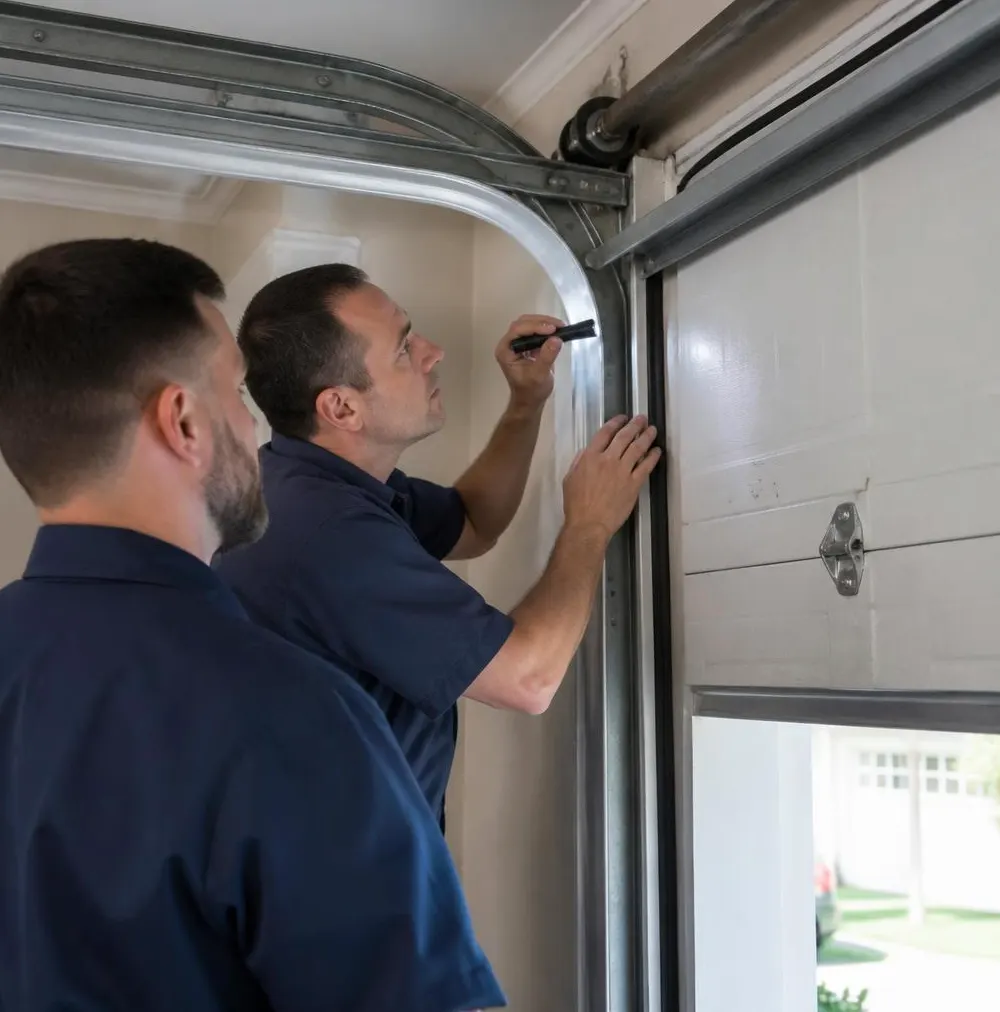
If your door has visible gaps at the top, a panel that flexes or shows storm damage, or an opener you can't remember the age of, it's worth a same-day look before it becomes an opportunity for someone else. We handle Off Track Door Repair and Garage Door Panel Replacement to close up the gaps and slack that make forced entry easier, and we install modern, rolling-code openers for homes still running older hardware. A quick Garage Door Tune-Up & Maintenance visit also catches the rust and misalignment issues that salt air and humidity cause before they turn into security weak points.
If something about your garage door doesn't feel tight anymore, don't wait for proof. Call Longwood Garage Door Repair today and we'll check it out fast, right here in Longwood, FL.